Updated July 2026: NSW zero-interest energy loans are open, and new apartment and scalable battery pathways begin 1 September.
See what may applySmarter energy for NSW homes and businesses
Cut energy costs. Build a smarter energy system.
Solar, battery and EV charging systems designed around how your home or business uses energy — with available rebates, loans, STCs and scalable battery pathways checked before you commit.
*Illustrative upper target only—not a guaranteed saving. GRIDHUB must verify the opportunity using site-specific energy data and applicable costs.
For residential
Home battery support worth checking.
For business
Commercial battery pathways at a glance.
Battery brands we supply
The right platform for the job.
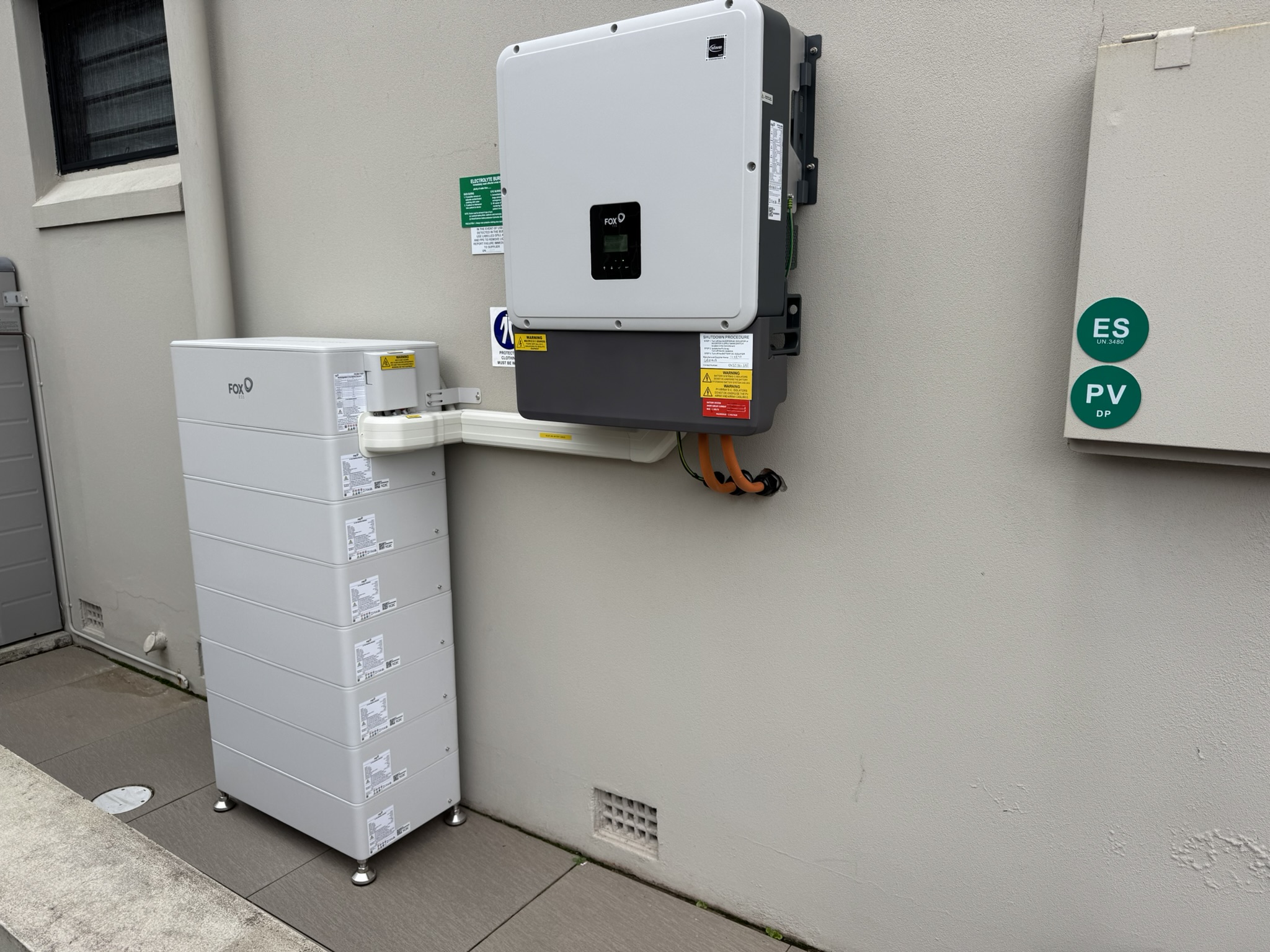
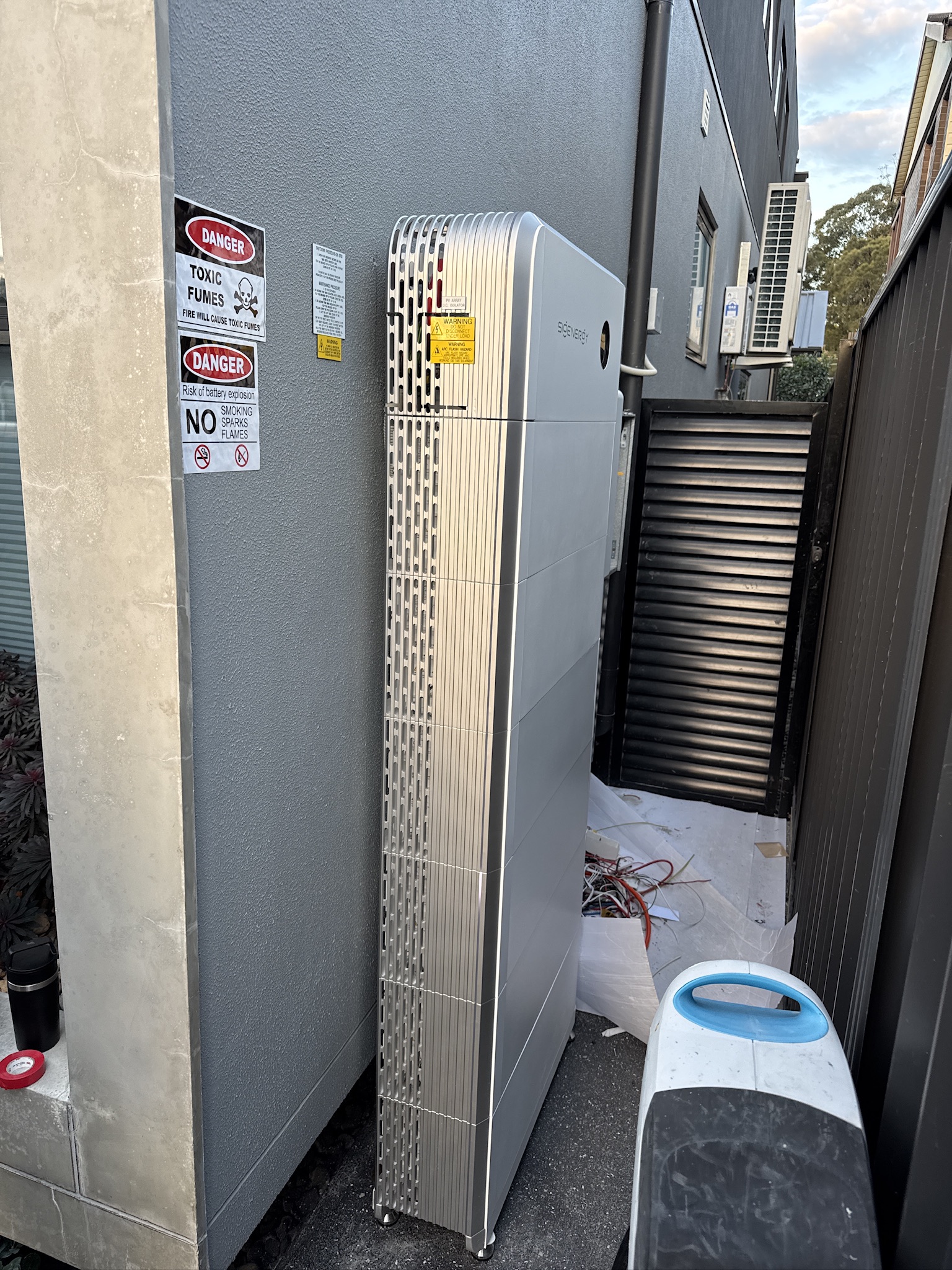
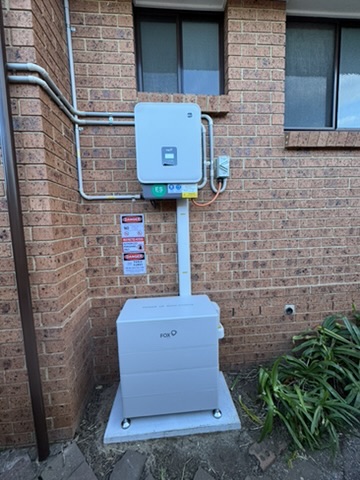
GRIDHUB supplies a considered range of commercial and home battery systems. We compare site load, capacity, backup needs, solar compatibility, controls and monitoring before recommending a brand.
Experience behind every system
Australian owned. Built on real electrical and power-systems experience.
Start with the numbers
See the pathways worth checking first.
Tell us a little about your property and energy use. We’ll give you a sensible starting size and show the current programs that may fit — without pretending every rebate applies to everyone.
Built for clarity. This quick check is an estimate, not a quote or approval. Final eligibility depends on the scheme rules, product and installation date. Any capacity shown is subject to confirming average daily kWh usage; business and apartment projects also require interval/load data.
Current support, explained
Stack the right support. Skip the sales fog.
We check the installation date, battery size and customer eligibility before building the proposal.
Australian Government
Cheaper Home Batteries Program
Eligible homes and small businesses can receive an upfront discount of around 30% on an eligible solar-connected battery. The value is delivered through battery STCs and varies by system size and installation date.
Read the official programNSW Government
Zero-interest Home Energy Saver loans
Eligible NSW homeowners and landlords with combined taxable household income up to $210,000 can apply for a zero-interest loan of up to $15,000 for approved upgrades including solar and residential batteries.
Check official eligibilityClean Energy Regulator
Solar and battery STCs
STCs can create an upfront discount when assigned to a registered agent. For batteries installed from 1 May 2026, support is tiered by usable capacity; only the first 50 kWh can create battery STCs.
See current STC rulesAustralian Government energy plan
Solar Sharer and retailer free-power plans
The regulated Solar Sharer Offer gives eligible NSW households with a smart meter a free 11am–2pm window, with the first 24 kWh free. It is not the only option: retailers may offer separate market plans with longer daytime free periods or different limits, including plans advertised without a daily cap but subject to fair-use terms. These windows can help charge a battery when rooftop solar is unavailable, insufficient or affected by cloud.
*“Around 30%” is the Australian Government’s program description, not a guaranteed quote. Actual support changes with eligible capacity, STC factors, certificate value, product, installation date and scheme compliance. Any GRIDHUB “up to 95%” operating-cost target is separate, site-specific modelling—not a rebate value or promised saving. Actual results depend on tariffs, fixed supply charges, usage timing, solar generation, weather, battery capacity, system losses, charging strategy, exports, finance and future energy prices.
New NSW battery opportunities · BESS3, BESS4 & BESS5 from 1 September 2026
Business battery opportunities — from apartments to industry.
GRIDHUB assesses all three new pathways: BESS3 for eligible apartment buildings, BESS4 for small and medium businesses, and BESS5 for larger commercial and industrial sites. Commercial customers remain a major focus, with every project assessed around load data, demand reduction, solar, resilience and the applicable scheme requirements.
- 3BESS3 · Apartment buildings
More than 20 kWh and up to 200 kWh usable capacity, with at least four dwellings and no existing site battery.
- 4BESS4 · Small/medium business
More than 20 kWh and up to 200 kWh usable capacity for eligible non-residential, non-data-centre sites.
- 5BESS5 · Commercial & industrial
More than 200 kWh and up to 30 MWh usable capacity, with certificates capped at 10 MWh.
All three activities require installation on or after 1 September 2026. Battery duration, equipment, planning, installer and calculation rules apply. This is an initial pathway screen, not an approval or incentive quote.
Residential & commercial EV charging
The right charger. The right electrical supply. One clear installed package.
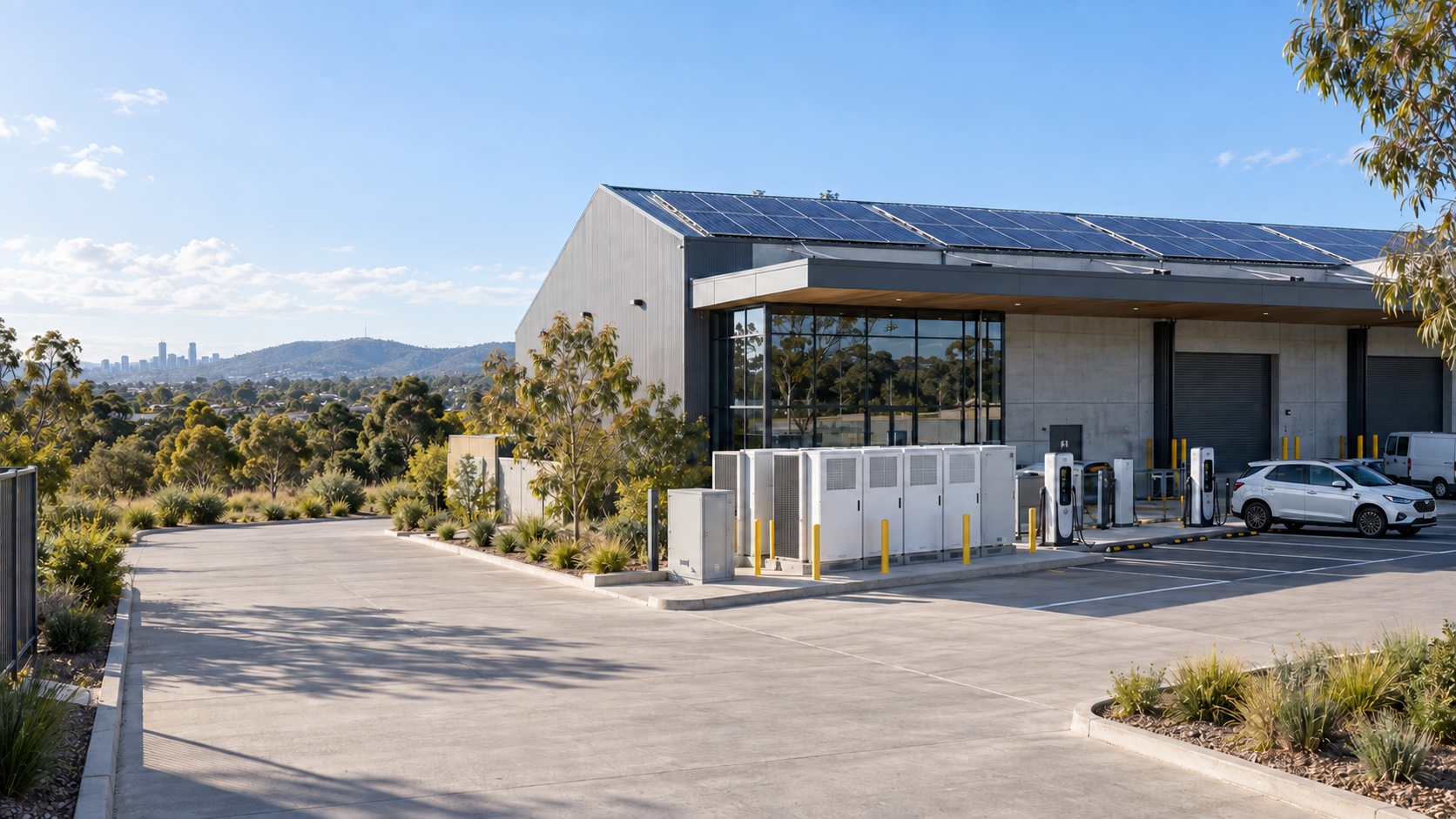
GRIDHUB supplies and installs EV charging for homes, workplaces, fleets, apartments and destination sites. We assess the charger, cable route, available phase supply, switchboard capacity and smart-energy controls together.
Charge overnight or follow your solar.
Choose a practical home charger and an installation allowance that matches the property.
- ✓ 7 kW single-phase charging
- ✓ 11 kW or 22 kW three-phase options
- ✓ Tethered or untethered chargers
- ✓ Solar-aware and scheduled charging
Build charging capacity without creating a new peak.
Plan workplace, fleet and customer charging around the site load, operating hours and future growth.
- ✓ AC workplace and destination charging
- ✓ DC fast-charging pathway assessments
- ✓ Dynamic load management
- ✓ Billing, access and fleet considerations
Choose your charger
Compare the charger first, then add the right installation.
Every charger card shows its output, phase, included charging-lead length and GST-inclusive price. The electrical cable run from the switchboard is selected separately below.
GRIDHUB can assess portable 20–40 kW units, 60 kW chargers, 60–120 kW systems and higher-power fleet or public-charging infrastructure. Supply capacity, network approval, civil works, protection, utilisation and load management must be assessed before pricing.
The displayed hardware and standard installation prices are a planning guide. Workplace, fleet, strata and customer-charging projects may also require a load assessment, dynamic load management, network review, civil works, protection, communications, access control, billing and future-expansion planning.
Community sports clubs
Game On: prepare the energy project before the next round.
Game On supports eligible community sports clubs to cut energy costs, improve climate resilience and upgrade their facilities. Round 1 offered grants from $25,000 to $100,000 for individual club projects, but it closed early on 13 July 2026 after demand reached available funding. Round 2 is expected in early 2027.
- 01Review the site and electricity use
Assess bills, interval data, existing equipment, site access and owner approval.
- 02Prioritise eligible upgrades
Scope solar PV, battery storage, EV charging, LED lighting and energy-efficiency opportunities.
- 03Prepare technical evidence
Provide recommendations, system design and quotations to support a future application.
- 04Deliver the approved works
Complete installation, commissioning and compliance documentation if funding is successful.
Battery-first, not battery-everywhere
A battery should solve a real energy problem.
We model the job it needs to do before choosing the hardware.
Cover your daily energy target
Start with average daily consumption, then adjust for direct solar use, charging windows and reserve requirements.
Reduce expensive peaks
Shift grid consumption away from high-price periods and business demand peaks.
Plan for outages
Choose backup circuits and battery reserve settings where the system supports them.
Join a VPP if it fits
Compare VPP incentives and ongoing terms without assuming they suit every household.
A clearer way forward
From bill to battery plan in three useful steps.
- 01
Understand your energy
We review bills, solar production, interval data and what you want the battery to achieve.
- 02
Check every relevant pathway
We map federal STCs, NSW support and finance eligibility against the actual project.
- 03
Compare a right-sized proposal
You get a plain-English system design, assumptions, costs and expected operating strategy.
Good questions
Before you choose a battery.
Independent scheme rules change. Always confirm current eligibility and installation requirements before signing.
Can home and business batteries get the federal discount?+
Eligible households and small businesses can access the Cheaper Home Batteries Program for eligible solar-connected systems. Battery size, product, installer and installation-date rules apply.
Is the NSW loan really interest free?+
The NSW Home Energy Saver program offers eligible households zero-interest loans up to $15,000 through selected finance providers. Credit approval and program eligibility still apply.
What are BESS3, BESS4 and BESS5?+
They are new activities under the NSW Peak Demand Reduction Scheme, not simple cash grants. BESS3 covers eligible apartment buildings, BESS4 covers eligible small and medium business systems above 20 kWh and up to 200 kWh, and BESS5 covers eligible commercial and industrial systems above 200 kWh.
Can incentives be combined?+
Some NSW and federal battery incentives can be combined for eligible installations. The exact combination depends on the customer, system, capacity and scheme activity.
Can I charge a battery with a daytime free-power plan?+
Yes. The regulated Solar Sharer Offer is one option, and retailers may also offer separate market plans with longer free windows or different usage limits. Some advertise no daily cap subject to fair-use conditions. GRIDHUB can help compare the complete tariff — including peak rates, supply charges, controlled loads and solar exports — then program a compatible battery around the most suitable charging window.
Your next power move